.jpg&w=1920&q=75)

This is where things can get a little dramatic, because yes — sometimes I really do talk clients out of a tattoo. Not because I want to be difficult. Not because I enjoy saying no. And definitely not because I do not want the work. Usually, it is the opposite. In those moments, I am thinking about one thing only: how to help someone avoid a bad decision without making them feel small, embarrassed, or judged.
That is where the line gets very delicate. You have to be honest, but careful. Clear, but respectful. Most clients do not come in with a "bad" idea. They come in with an idea they have not fully thought through yet. And that is exactly why consultation matters. A proper tattoo consultation is not only about the design — it is also about placement, visibility, long-term wear, and whether the decision truly fits the person beyond the emotion of that day.
I am not shutting people down — I am testing the decision
When I say I sometimes talk people out of a tattoo, I do not mean I take something away from them. What I am really doing is checking whether the idea comes from a clear decision — or from a powerful moment that just feels convincing right now.
That difference matters more than people think. A tattoo is not only about wanting something today. It is also about visibility, work, self-image, lifestyle, and whether that decision will still feel right later. That is one reason responsible artists may redirect certain requests when the risks, technical issues, or chances of regret are too high.
My classic case: very young and very certain
This conversation happens most often with very young clients. Usually, it is someone under 25 coming in absolutely convinced that they want a face tattoo right now, immediately, no hesitation. In those moments, I start crying a little bit inside, because I know the real work is not about to begin with a needle — it is about to begin with a conversation.
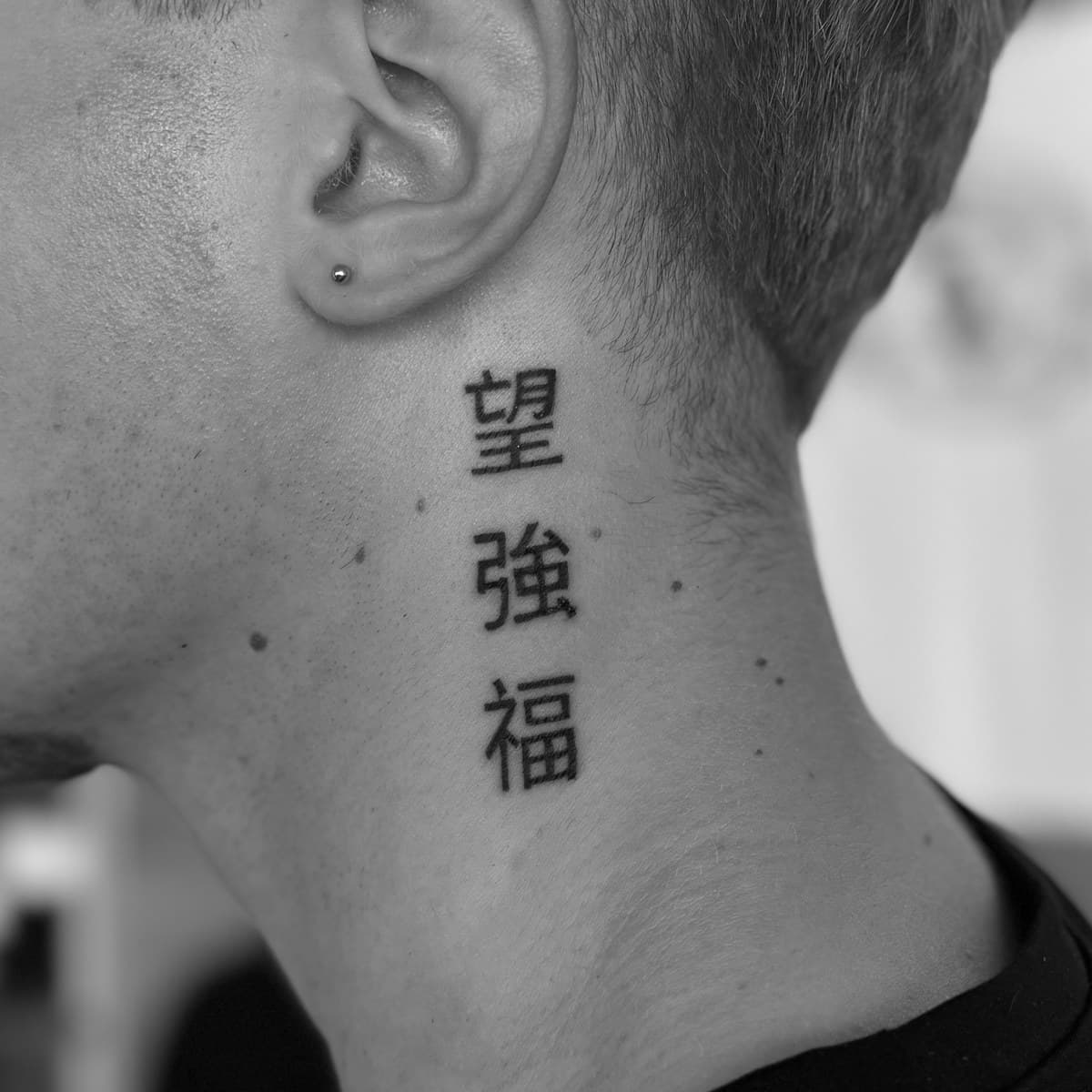
I tell every client very honestly that, in my view, a first face tattoo is an extreme step, not a starting point. As long as there are still so many other places on the body available, I do not see the face as the right place to begin. That is not just about style. It is about the fact that the face is the most visible placement possible, and it carries consequences that go far beyond a normal tattoo decision.
Why I push back on face tattoos as a first move
I do not say this to offend anyone, but I do think it needs to be said clearly. When someone wants only the most visible placements while the rest of the body is untouched, it often feels less like a mature tattoo journey and more like a desire to start as loudly as possible.
For me, the face, neck, and hands are areas you grow into, not areas you rush into. That is not arrogance. It is responsibility. Those choices can carry stronger long-term consequences, social friction, and a higher chance of becoming something the client sees very differently later.
The spider-across-the-face story
One day, a young guy came into the studio completely convinced that he wanted a huge spider across his whole face — literally from cheek to cheek. He was certain it would look incredible. In his head, the decision was already made.
And honestly, the whole studio talked him out of it. Not by shaming him. Not by pressuring him. Not by acting superior. We simply had a real conversation. We explained why that kind of placement deserves time, what it can mean long term, and why it might be smarter to shift the idea rather than force it into the most extreme version possible.
In the end, he did not get the spider on his face. We tattooed his chest instead. He loved it. And later, he thanked us. For me, that is one of the best outcomes possible — not just doing what someone asked for, but helping them land in a decision they can actually live with well.
Sometimes I also push back on the design itself
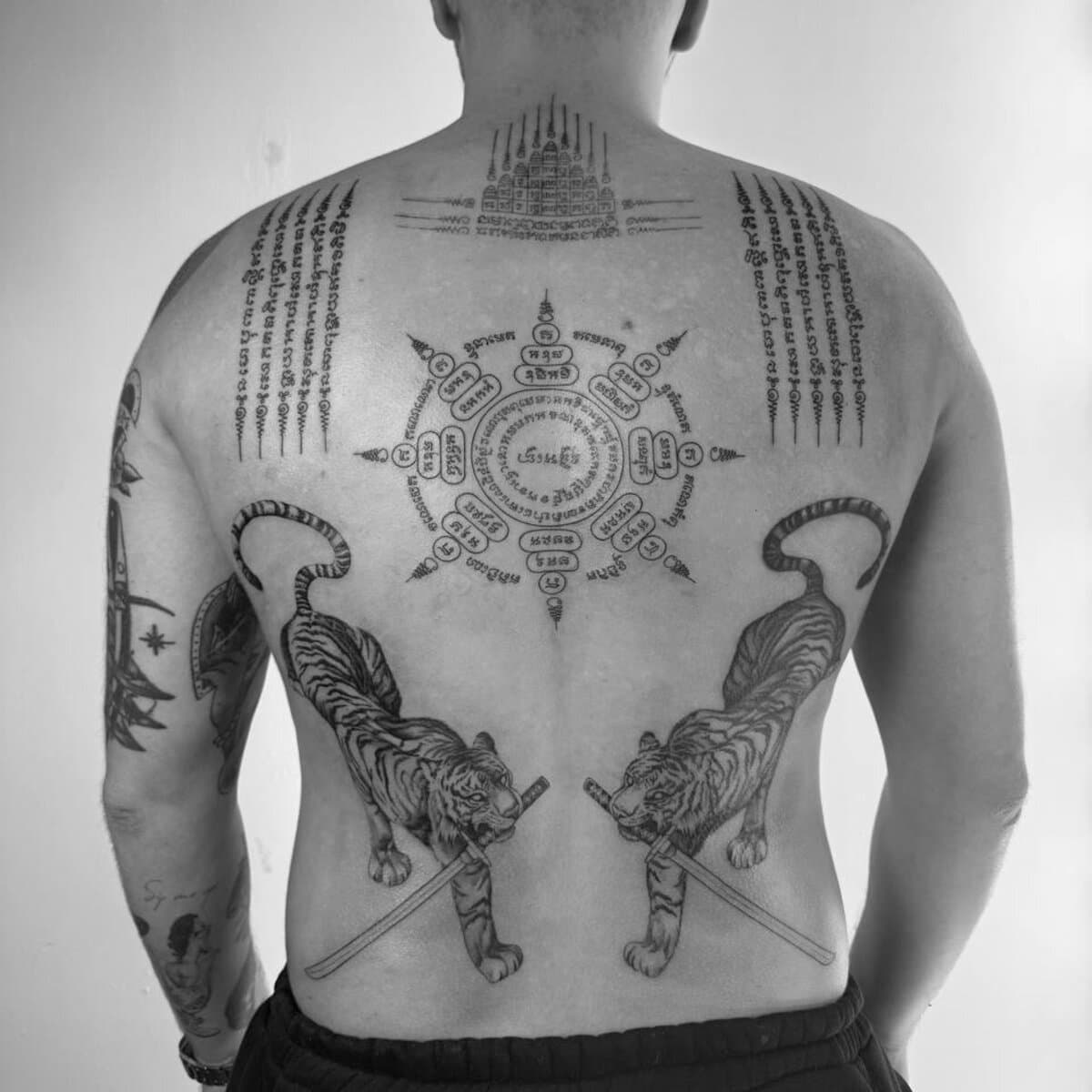
It is not only about placement. Sometimes a client brings in a design that may look exciting on a phone screen but simply does not work well as a tattoo. Maybe the composition is weak. Maybe the geometry is off. Maybe the details are too tiny. Maybe the whole image was never built for skin in the first place.
In those moments, my job is not to say, "This is terrible." My job is to explain what is not working and offer a better direction. Sometimes that means a few changes. Sometimes it means redrawing the whole thing. A good consultation exists to make sure a tattoo is not only attractive in theory, but also readable, technically sound, and durable on the body.
That is not harshness — it is care
I believe a good tattoo artist needs more than technical skill. They also need honesty. Of course, it would be easier to say yes to everything and avoid uncomfortable conversations. But then the question becomes: did you really help that person, or did you just avoid responsibility?
So when I push back, it is not because I disrespect the client's idea. It is because I respect what that idea becomes once it lives on real skin. Responsible practice sometimes includes a calm, respectful no.
A tattoo is not only about character. It is also about time. If you're ready for an honest conversation about your idea — book a consultation in Munich.