
Tattoos and pain — that's always a separate conversation. And I have one favorite story that explains everything better than any theory.
The Biker
A massive, bearded man came to see me. A biker who looked like a bear. Everything about him said: this guy wouldn't flinch at a bullet.
He lasted exactly 25 minutes.
Then he calmly said he was ready to pay the full amount — just to leave. We declined, of course. We applied a numbing cream, waited 40 minutes — and finished the work. Afterward he was so embarrassed. Genuinely adorable.
The moral: pain tolerance is unpredictable. And there is absolutely nothing shameful about it.
Tattoo Pain Comparison: Where Does It Hurt More?
Least painful: outer arm and forearm, thigh, calf.
Most painful: ribs, elbow, knee, neck, hands, feet — especially where bone is close to the skin.
And yes: in my experience as a tattoo artist in Munich, women generally tolerate pain better. Sorry, men — that's just statistics.
How to Prepare for Your First Tattoo?
From my experience, here's what actually helps:
First — eat properly. Not a sandwich. A full meal before your session is not a suggestion — it's a rule.
Second — be healthy. Cold, fever, or «something might be starting» — reschedule. Your body uses a lot of energy during tattooing. A sick body uses twice as much.
Third — numbing cream. If you know your pain tolerance is low — tell me in advance. This is normal. This is not weakness.
What If I Can't Take It Anymore?
My regular clients have long since started comparing tattoo sessions to meditation — you abstract yourself from the pain and sink into the process. But that comes with experience.
If it hurts right now — say something. We stop. We take a break. A good artist will never make you suffer in silence.
How Long Does a Tattoo Session Take?
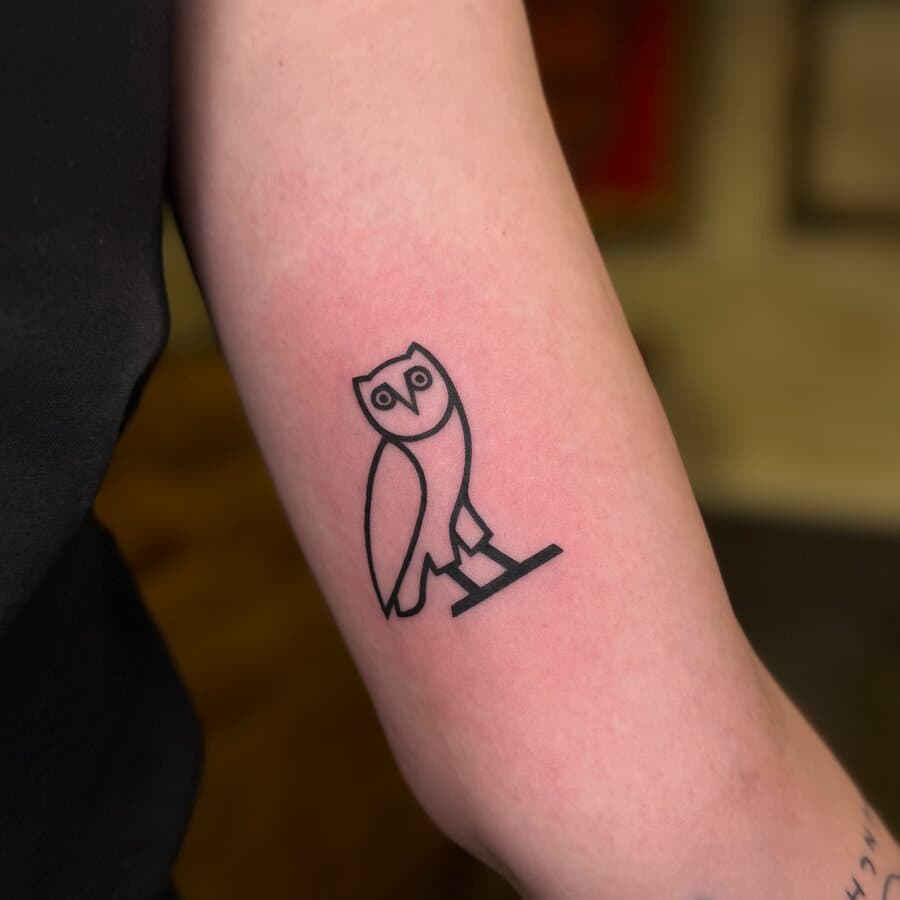
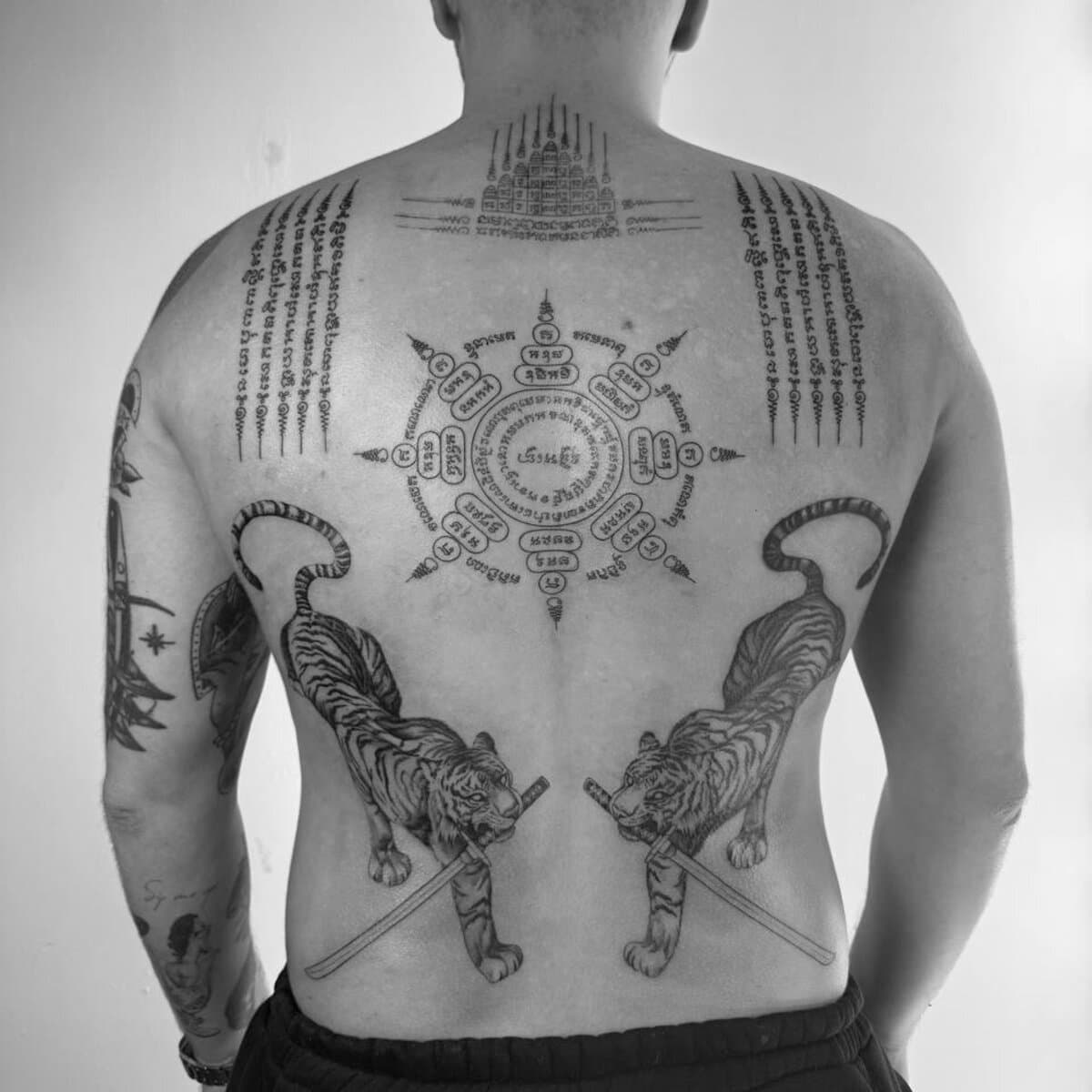
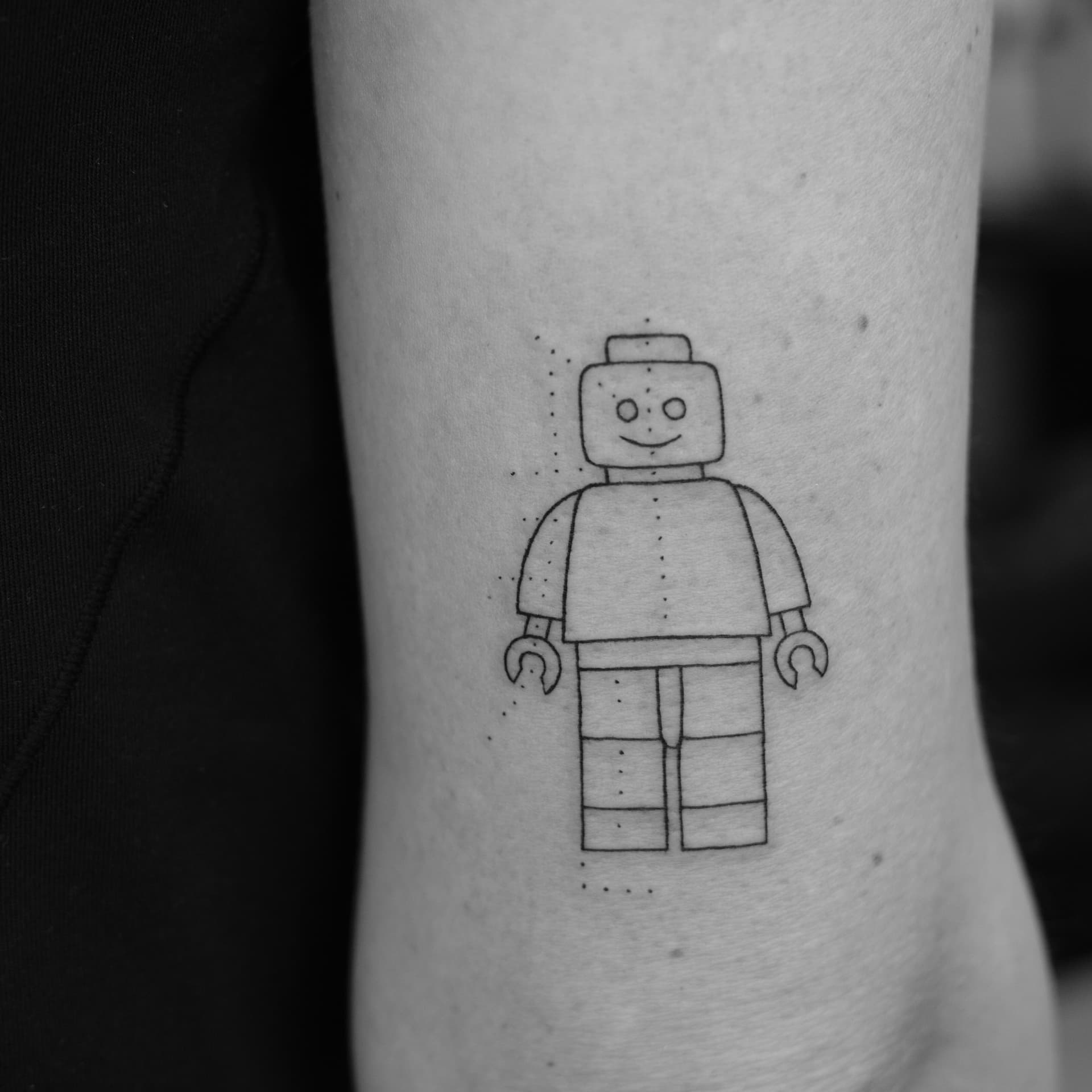
It depends heavily on the size and complexity of the design. A small fine line piece can be finished in 60–90 minutes. Medium-sized work takes 3–4 hours. Large pieces like full sleeves are spread across several sessions — this protects both the skin and your nerves.
One tip: if you know you start struggling with pain after 2–3 hours, plan two shorter sessions rather than one very long one. The result will be better, and the experience far more comfortable.
Tattoo Aftercare — the Underrated Part
Many people focus too much on the pain during the tattoo and forget about aftercare. But aftercare is just as important as choosing the right artist.
The key rules for the first two weeks: no direct sun, no swimming, no gym (or at least no direct contact between a fresh tattoo and sweat or friction). Keep the skin moisturized regularly with an unscented cream — not too much, not too little.
A well-cared-for tattoo heals without scabbing, stays sharp, and looks vibrant. A neglected tattoo can fade, crack, or develop an infection. The pain during tattooing lasts a day — aftercare determines the next several years.
One final thought: most of my regular clients tell me that the second tattoo is noticeably more comfortable than the first. Not because it hurts less — but because you know what to expect. The pain is no longer a surprise. It becomes part of the experience.
And in a way, that's exactly what it becomes: an experience. You leave the studio with something permanent. Something that belongs to you now. That matters far more than any moment of discomfort along the way. And if you want to know what a tattoo in Munich actually costs — see the Tattoo Prices Munich page.